In today’s hyper-connected world, attention is the new currency — and notification marketing has emerged as one of the most powerful ways to capture it. Whether it’s a gentle nudge on your phone, a browser ping, or a personalized in-app alert, brands are using notifications to influence decisions in real-time — and drive measurable revenue growth.
What is Notification Marketing?
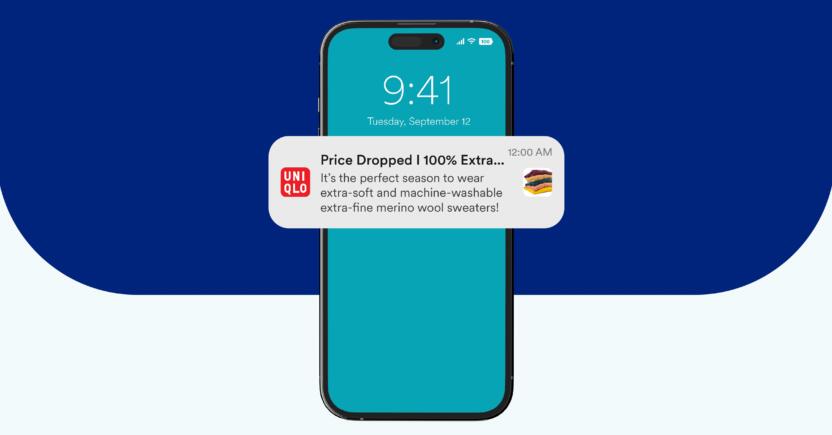
Notification marketing is the practice of using push notifications, in-app messages, and browser alerts to engage users instantly.
Unlike traditional channels (email, SMS, social media), notifications deliver contextual, time-sensitive messages directly to a user’s device — creating an immediate call to action.
Types of Notifications:
-
Mobile Push Notifications – Sent through mobile apps.
-
Web Push Notifications – Sent via browsers even when users aren’t on the site.
-
In-App Notifications – Triggered when a user is active inside an app.
-
Transactional Notifications – Related to actions like order updates, delivery status, or payments.
The Marketing Psychology Behind Notifications
At the heart of notification marketing lies behavioral psychology — the science of triggers, timing, and personalization.
Notifications leverage the FOMO (Fear of Missing Out) and dopamine loop, prompting instant engagement.
For example:
-
A Zomato push alert at 12:30 PM saying “Your favorite biryani place has a 30% lunch offer today” instantly drives action.
-
An e-commerce notification about “Your cart is waiting — get 10% off if you checkout in the next 15 minutes” uses urgency to convert intent into purchase.
How It’s Driving Revenue Growth
1. Real-Time Conversions
Notifications reach users at the exact moment they are likely to act.
Food delivery apps, OTT platforms, and e-commerce brands see 20–40% spikes in conversions during time-triggered campaigns.
Example:
-
Swiggy’s location-based push campaigns (like “It’s raining in your area — order a hot coffee!”) have boosted order frequency per user.
2. Reduced Abandonment Rates
Cart abandonment and app churn are common problems. Smart reminders through notifications re-engage customers.
Example:
-
Nykaa’s cart reminder notifications recover up to 30% of abandoned carts by combining urgency and personalization (“Your lipstick shade is selling out fast!”).
3. Personalization at Scale
AI-driven tools like CleverTap, MoEngage, and WebEngage help marketers segment audiences based on behavior, time zone, and purchase patterns.
The result? Each user receives a message that feels crafted just for them.
4. Cross-Selling and Upselling
Once a customer purchases, notifications suggest related products or services — enhancing Average Order Value (AOV).
Example:
-
Amazon sends “You might also like…” notifications post-purchase, driving incremental revenue without extra ad spend.
5. Customer Retention and Loyalty
Consistent, meaningful engagement through notifications increases retention rates.
When users feel understood, they stay connected with the brand longer.
Example:
-
Spotify uses push notifications to recommend new playlists based on listening habits — keeping users active and reducing churn.
Tools Powering Notification Marketing
Here are a few leading platforms that make this possible:
-
OneSignal – For mobile/web push at scale.
-
MoEngage – Advanced analytics and segmentation for personalized campaigns.
-
CleverTap – AI-driven retention and engagement.
-
WebEngage – Omnichannel automation (email, SMS, push, WhatsApp).
-
Firebase Cloud Messaging (FCM) – Free push delivery platform by Google.
The ROI Perspective
Studies show that push notifications can boost app engagement by 88% and increase revenue by 25–35% when used strategically.
The best-performing notifications are:
-
Personalized (using user’s name, interests, or actions)
-
Timely (based on behavior or local triggers)
-
Actionable (clear CTA like “Buy Now,” “Watch Now,” “Get Offer”)
Strategic Takeaways for Marketers
-
Respect attention – Don’t spam; deliver value in every message.
-
Leverage data – Behavioral and contextual insights drive relevance.
-
Test and optimize – A/B test messages, timing, and CTAs regularly.
-
Integrate channels – Combine push, email, and in-app messages for holistic engagement.
The Future of Notification Marketing
With the rise of AI and predictive analytics, notifications will get even smarter — anticipating user needs before they’re expressed.
Imagine receiving a message that says, “You usually order coffee around this time. Want us to place your regular order?” — that’s where we’re headed.
Notification marketing is not just about sending alerts — it’s about creating micro-moments that drive macro impact.
When used ethically and intelligently, notifications become a silent salesforce — converting intent into action, and engagement into revenue.
- Get link
- X
- Other Apps
Labels
Marketing- Get link
- X
- Other Apps